
Online Pharmacy


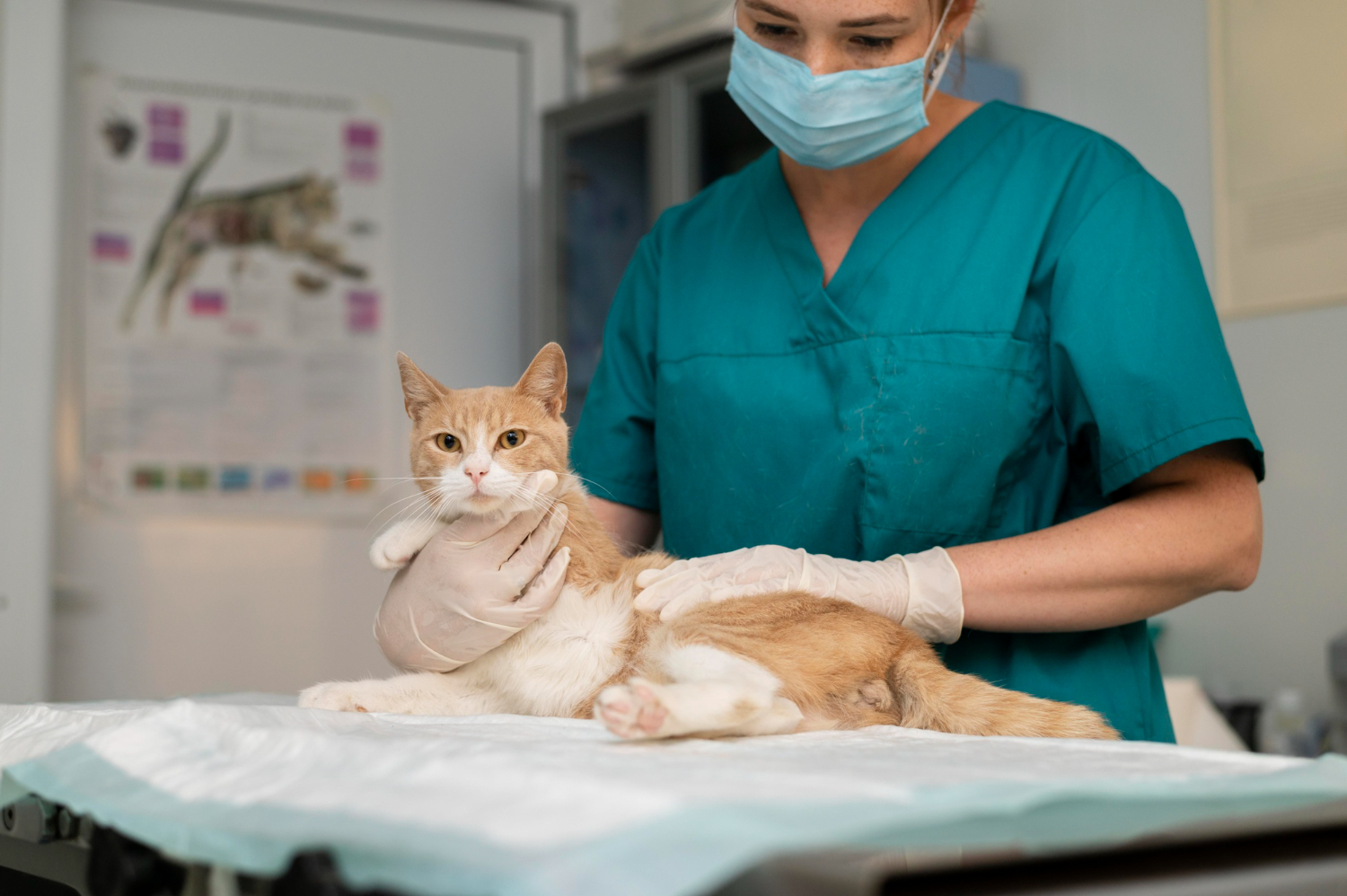
When your pet seems healthy, it’s easy to assume everything is fine. They’re eating, playing, greeting you at the door. But many common and serious health issues in pets develop without obvious signs. That’s where routine bloodwork comes in. It offers a look beneath the surface, often catching changes before your pet shows symptoms.
Bloodwork helps us understand what’s happening beneath the surface, even when your pet looks perfectly healthy. A standard blood panel can help assess:
Together, these results give your veterinarian a clearer, more complete picture of your pet’s overall health.
Routine bloodwork isn’t just for sick pets. It’s a key part of preventive care and becomes even more important as pets age. It also helps establish a baseline. When we know what’s normal for your pet, we can spot even small changes over time, sometimes before they turn into something more serious.
For younger pets, this can reveal early trends or hidden issues. For older pets, routine bloodwork plays a big role in monitoring for age-related conditions such as arthritis, kidney disease, thyroid disorders, and diabetes.
Most pets do best with:
If your pet isn’t feeling well, bloodwork is often one of the first and most helpful diagnostic tools we’ll use.
Bloodwork is quick, minimally invasive, and most pets handle it very well. At Onalaska Animal Hospital, we can provide results quickly so we can review them with you and talk through next steps if needed.
And if everything looks normal, that’s valuable information, too. Normal results help confirm your pet’s health and give us a reliable reference point for the future.
Routine bloodwork helps shift care from reactive to proactive. It lets us monitor trends, catch concerns earlier, and make more informed decisions about your pet’s health over time.
If your pet is due for an exam, or if baseline bloodwork has never been done, it’s worth asking about at your next visit.


