
Online Pharmacy


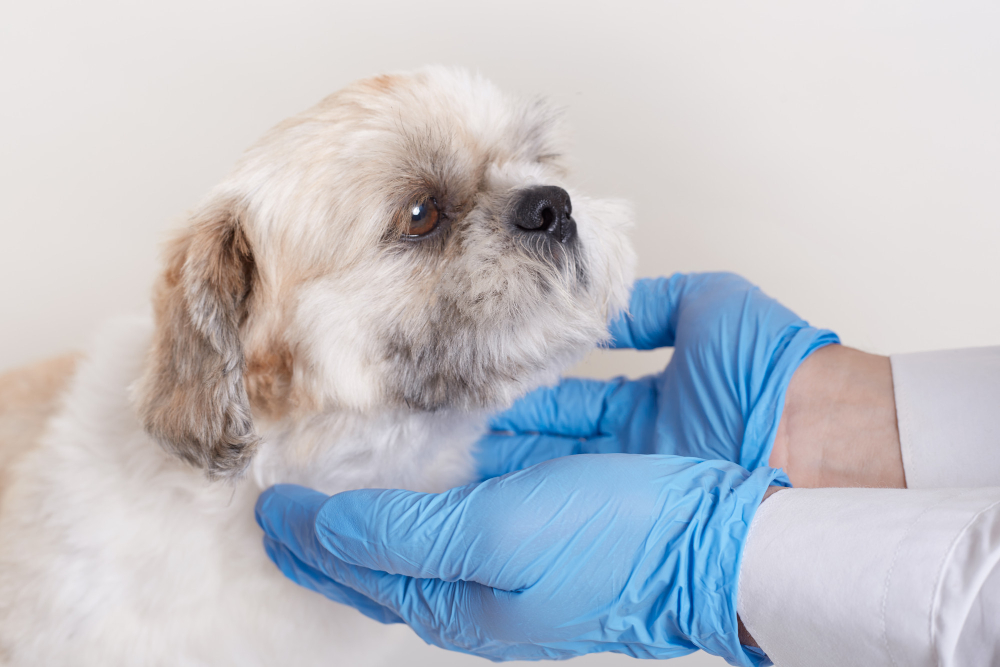
For many pets, a trip to the veterinary clinic can be stressful.
Unfamiliar smells. Strange sounds. New people. Other animals nearby. Even the car ride itself can create anxiety before the appointment ever begins.
At Onalaska Animal Hospital, reducing that stress isn’t an afterthought. It’s a guiding philosophy. That’s where Fear Free comes in.
Fear Free is a nationally recognized approach to veterinary care that focuses on minimizing fear, anxiety, and stress for pets during veterinary visits.
Veterinary professionals who earn Fear Free certification complete specialized training in:
The goal is simple. Pets should feel as safe and comfortable as possible while receiving medical care.
Dr. Nicole Azene is Fear Free certified, and that training influences how our entire team interacts with patients every day.
Stress isn’t just emotional; it has physical effects too.
When pets are anxious, their heart rate rises, breathing changes, and stress hormones increase. That can make examinations more difficult and sometimes less accurate. It can also make pets more resistant to future visits, creating a cycle where veterinary care becomes increasingly challenging.
Fear Free approaches help break that cycle.
These benefits aren’t just theoretical; they’re supported by research.
Studies show that up to 78.5% of dogs experience fear, anxiety, or stress at the veterinary clinic. Elevated stress hormones can interfere with immune function, slow healing, and make medical care more difficult.
Hospitalized dogs have also been shown to have cortisol levels two to four times higher than dogs at home during stressful events.
The encouraging news is that these approaches make a measurable difference. Studies show that pets handled using gentle, low-stress techniques have lower cortisol levels and fewer signs of fear compared with routine handling.
When veterinary visits feel safer, pets are calmer and owners are more likely to seek care when it’s needed.
Reducing fear improves both the experience and the medical outcome.
Fear Free care isn’t just about pets; it’s about people too.
Many pet owners feel anxious when they know their animal is stressed. Watching a frightened pet during an appointment can be upsetting, and some families delay needed care because they don’t want to put their pet through that experience.
Fear also affects how often pets receive care.
Surveys show that 28% of cat owners and 22% of dog owners say they would visit the veterinarian more often if the experience were less stressful for their pet.
Creating a calmer environment helps remove that barrier.
When pets are relaxed, owners can focus on understanding their pet’s health instead of managing anxiety.
At Onalaska Animal Hospital, Fear Free isn’t only about handling techniques. It’s built into the physical design of the hospital itself.
Dr. Nicole intentionally designed the clinic according to Fear Free principles to reduce sensory stress for pets. The environment supports the same Fear Free principles used during handling and care.
At Onalaska Animal Hospital, for example, we’ve incorporated:
These details may seem small, but together they make a meaningful difference in how pets experience care.
One of the biggest benefits of Fear Free care is long-term.
Pets who have positive veterinary experiences early in life are more likely to remain cooperative and calm as they age. That makes preventive care, diagnostics, and treatment easier throughout their lifetime.
It also strengthens the bond between pets, their families, and their veterinary team.
Veterinary visits shouldn’t feel frightening. They should feel supportive, safe, and focused on well-being.
That’s what Fear Free care is all about.


