
Online Pharmacy


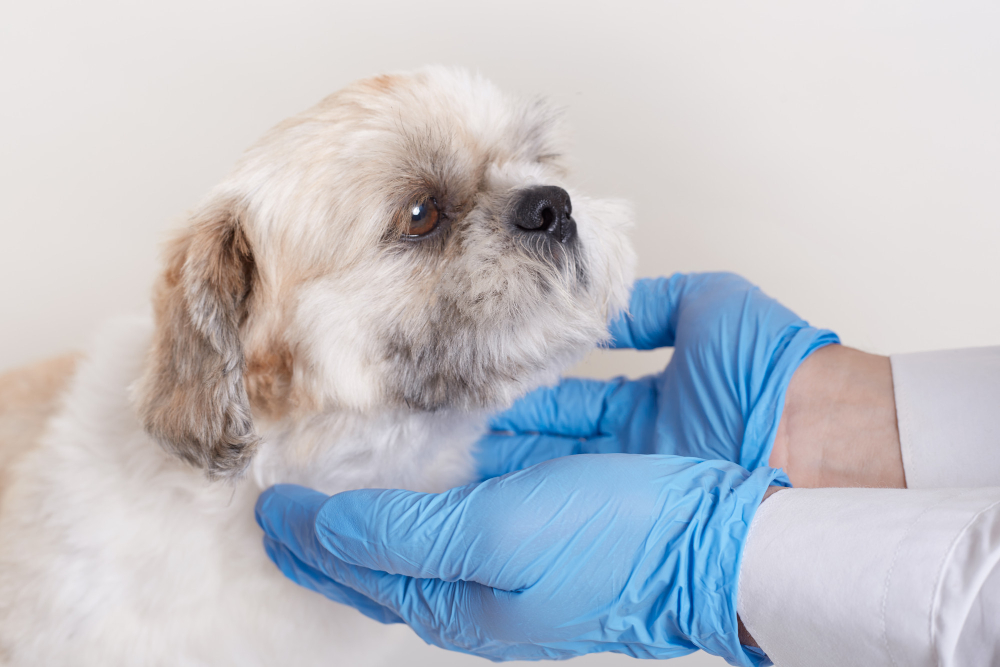
Every pet owner wants to make wise decisions about veterinary care.
We understand. Whether it's a routine wellness visit or an unexpected illness, caring for a beloved pet is an investment. The good news is that one of the best ways to manage those costs isn't finding the lowest-priced treatment—it's helping prevent serious problems before they happen.
Preventive care often protects both your pet's health and your wallet.
An annual wellness exam is much more than a yearly checkup.
It allows your veterinarian to get to know your pet's normal health, behavior, lifestyle, and medical history. When something changes, that familiarity helps us recognize concerns sooner and recommend the most appropriate care.
Pets also age much faster than people. A lot can change in a year, and regular exams allow us to catch subtle changes before they become bigger problems.
Vaccinations, parasite prevention, and routine screenings all work together to help keep your pet healthy.
Keeping preventive care on schedule also makes life easier. Rather than scheduling multiple visits throughout the year because vaccines or other services have fallen out of sync, many pets can receive everything they need during planned wellness appointments.
Many diseases develop quietly. As pets grow older or take long-term medications, routine bloodwork becomes an important tool for identifying changes that aren't yet visible at home.
Screening tests can often detect conditions such as:
Finding problems early frequently means more treatment options, less discomfort for your pet, and lower costs than waiting until the disease has progressed.
Dental disease is one of the most common health problems we see, and it's also one of the easiest to overlook.
Untreated dental disease can lead to:
Advanced dental disease often requires more complicated treatment than routine preventive cleanings.
Regular dental care helps pets stay comfortable while reducing the likelihood of more extensive—and more expensive—procedures later.
If you're comparing veterinary dental estimates, ask what's included.
A complete dental procedure should include:
While cost is understandably important, the least expensive option may not always provide the same level of care.
Many pet owners research their pet's symptoms before an appointment, and that's perfectly understandable.
In fact, organizing your observations ahead of time can make your visit even more productive. Writing down when symptoms started, changes in appetite or drinking, medications, energy level, and anything else you've noticed helps us build a more complete picture.
Artificial intelligence tools can also help you organize your thoughts and prepare questions to ask during your visit. Just remember that they can't examine your pet or replace the expertise of your veterinary team.
The best information comes from combining your observations with a thorough veterinary examination.
Every breed has unique strengths, and some have predictable health concerns.
Certain breeds are more likely to develop:
Understanding those risks before they become problems allows you to plan ahead and work with your veterinarian on preventive strategies that help your pet enjoy a healthier life.
If you're concerned about the cost of treatment, let us know. We're happy to discuss options whenever it's safe and appropriate. We can also help prioritize diagnostics and treatments based on what's most important for your pet.
Every family has a budget, and our goal is to help you make informed decisions while providing excellent care.
One of the greatest advantages you can give your pet is an ongoing relationship with a veterinary team that knows them well.
Regular preventive care, open communication, and early attention to changes in your pet's health often lead to better outcomes, fewer emergencies, and lower costs over time.


