
Online Pharmacy


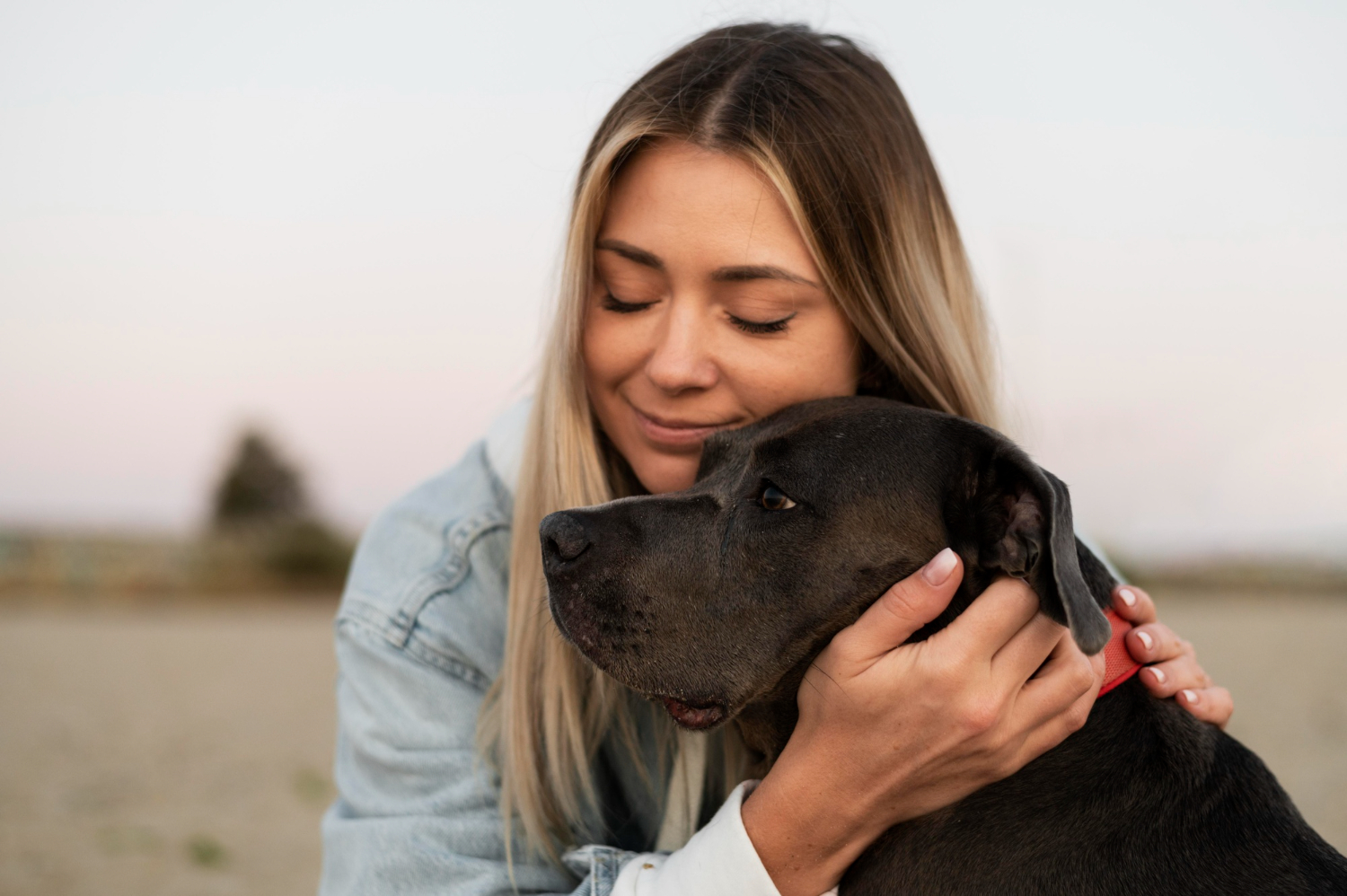
Few decisions in life are as difficult as saying goodbye to a beloved pet.
Our animals share our routines, our homes, and our hearts. They greet us at the door, sit beside us during quiet moments, and become part of our family story. When age, illness, or declining quality of life begins to change who they are, it can leave pet owners feeling overwhelmed, uncertain, and deeply emotional.
At Onalaska Animal Hospital, we understand how heavy this moment can feel. You don’t have to figure this out by yourself.
Pets often experience gradual changes as they age or develop chronic conditions. Some shifts are expected. Others may signal that comfort is declining.
You might notice:
One difficult reality is that pets often hide discomfort instinctively. By the time changes are obvious, they may already be experiencing a significant decline.
If you’re unsure what you’re seeing, a conversation with your veterinary team can help clarify the medical situation and the available options.
The path toward goodbye is usually a progression, not a single turning point.
Depending on your pet’s condition, options may include:
There is no single “right” timeline. Some families choose to focus on additional time together. Others prioritize preventing further discomfort. Both choices come from love.
Veterinarians often talk about avoiding a pet’s “worst day.” Many families later share that choosing a peaceful goodbye slightly earlier, before severe crisis, felt kinder than waiting too long.
Uncertainty, second-guessing, and even guilt are normal parts of this process.
Questions like:
These thoughts are normal. They come from the love you have for your pet.
A helpful perspective many veterinarians offer is this: Pets live in the present moment. They don’t measure life in months or years. They experience comfort or discomfort today. Choosing peace when suffering is growing is not giving up; it’s an act of protection.
One source of anxiety is not knowing what euthanasia involves.
The process is designed to be calm, gentle, and pain-free.
Typically:
Families can choose to be present the entire time, say goodbye privately, or step out if that feels easier. There is no wrong choice. The best decision is the one that honors your pet’s comfort and the bond you share.
At Onalaska Animal Hospital, we offer a dedicated comfort room designed to provide privacy, quiet, and a more peaceful environment during these moments. Many families find that having a softer, less clinical space helps them focus on being present with their pet.
Children often benefit from honest, age-appropriate explanations. Using clear language, such as “their body is no longer working, and they are dying,” can help prevent confusion.
Other pets in the household may also notice the absence. Some families allow them to see or smell their companion afterward, which can reduce search behaviors or anxiety.
Losing a pet can bring grief as deep as losing any family member.
Some people feel sadness immediately. Others feel relief that suffering has ended. Many experience both. All responses are valid.
If you’re struggling, support resources exist, including pet loss hotlines and counseling services. Your veterinary team can help connect you with them.
If you’re beginning to wonder whether it might be time, that question itself is often a signal that your pet may need extra support.
We’re here to talk, without pressure, without judgment.
Our role is to help you understand your pet’s medical condition, discuss comfort and quality-of-life considerations, and support whatever decision you make with compassion.
Because loving them means caring for them throughout their entire life, including the final chapter.
If you have concerns about your pet’s comfort or quality of life, please contact Onalaska Animal Hospital. You don’t have to carry these decisions on your own.


