
Online Pharmacy


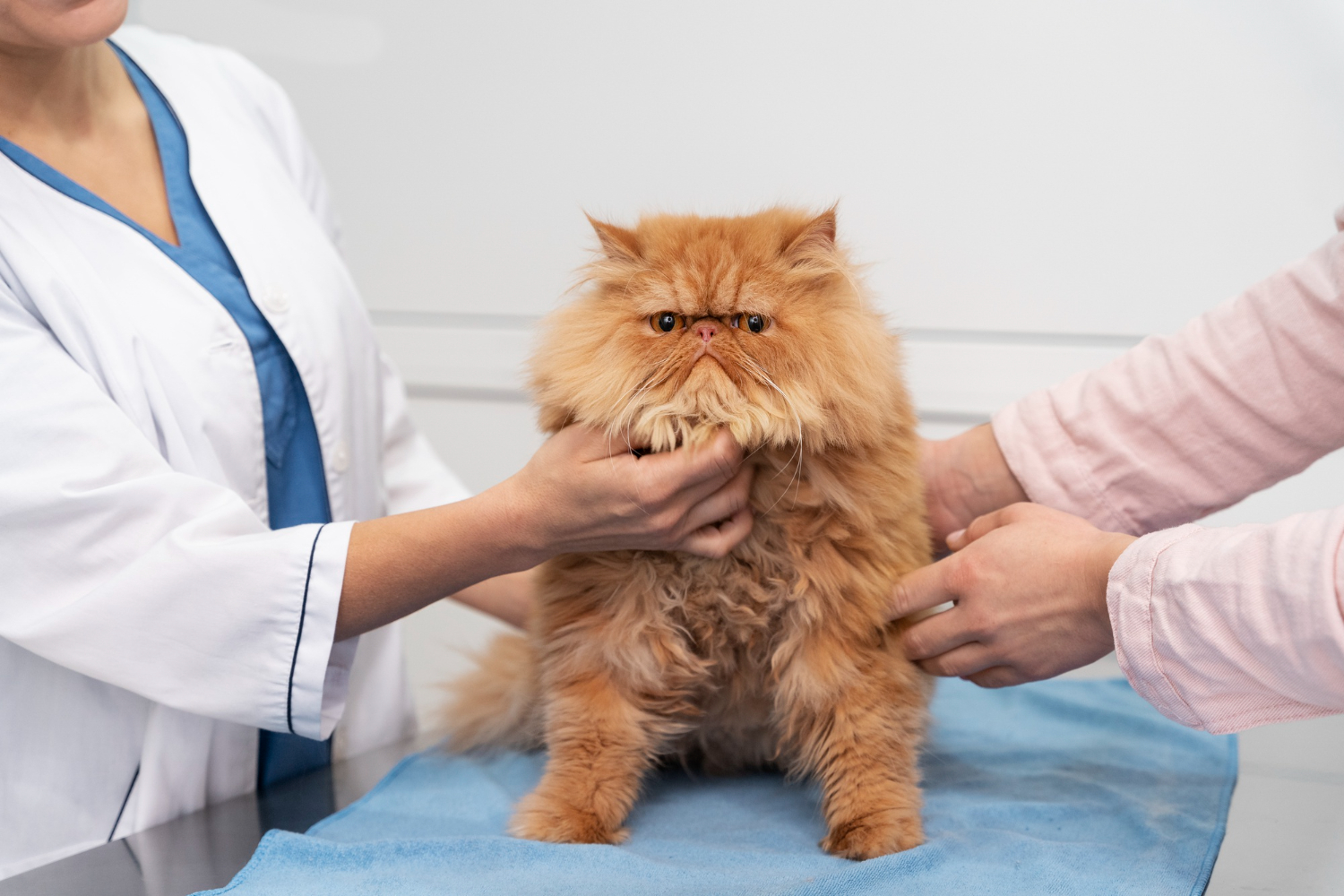
If your pet needs an elective surgical procedure, choosing the right time can make recovery easier for everyone. Fall and winter may offer several practical benefits, from cooler temperatures to quieter family schedules.
Elective surgery does not mean the procedure is unimportant. It means the surgery can be planned in advance rather than performed as an emergency. Your veterinarian can help you decide whether a procedure is needed, when it should take place, and how to prepare.
Elective procedures may support a pet’s health, comfort, or quality of life. Common examples include:
Not every procedure should wait for a certain season. If your pet is in pain, has a growing mass, or has a condition that may get worse, your veterinarian may recommend surgery sooner.
Pets need a calm, clean place to recover after surgery. Hot weather can make this harder, especially for dogs that enjoy long walks or pets that become uncomfortable in the heat.
During fall and winter, cooler temperatures may help your pet feel more comfortable indoors. There may also be fewer temptations to run, swim, or play outside. This can make it easier to follow activity restrictions while an incision heals.
However, cold weather brings its own concerns. You’ll want to keep outdoor bathroom breaks short, prevent slips on snow or ice, and protect the incision from moisture, mud, and road salt.
Fleas, ticks, flies, and other insects are often less active during colder months in our region. Fewer pests around your pet may reduce irritation near a healing incision.
Parasites can still be present in fall and winter, so year-round prevention remains important. Continue any flea, tick, or heartworm products recommended by your veterinarian unless you’re told otherwise.
Families often spend more time indoors during colder months, which can make it easier to watch a recovering pet. You may be better able to notice changes in appetite, energy, behavior, or the appearance of the incision.
Before choosing a surgery date, look at your schedule. Holiday travel, visitors, and busy gatherings can make recovery more stressful. Try to choose a period when your home will be calm and a responsible adult can monitor your pet.
Scheduling elective pet surgery in fall or winter may allow your companion to recover before spring and summer adventures begin. By planning ahead, your pet may be ready for longer walks, family trips, outdoor play, and other favorite activities when warmer weather returns.
The exact recovery period depends on the procedure, your pet’s age, and their overall health. Some pets recover quickly, while others need several weeks of restricted activity or rehabilitation.
Ask your veterinary team for instructions before the procedure. Preparation may include bloodwork, changes to food or medication, and planning a safe recovery area.
At home, you may need:
Follow all instructions for feeding, medication, incision care, and activity. Contact your veterinary team if your pet has unusual swelling, bleeding, discharge, vomiting, trouble breathing, severe pain, or other concerning symptoms.
There is no single best season for every pet or every surgery. Your pet’s medical needs should always come first. Still, cooler weather, more time spent indoors, and a quieter routine can make fall and winter convenient times for many elective procedures.
If you have been putting off a recommended surgery, talk with the team at Onalaska Animal Hospital. Together, you can choose a safe time, create a recovery plan, and help your pet return to a healthier, more comfortable life.


